Irish food beyond stew: a short guide to the modern table
Potatoes, soda bread, seafood and slow cooking form only the beginning of contemporary Irish cuisine.
By Éire House Team
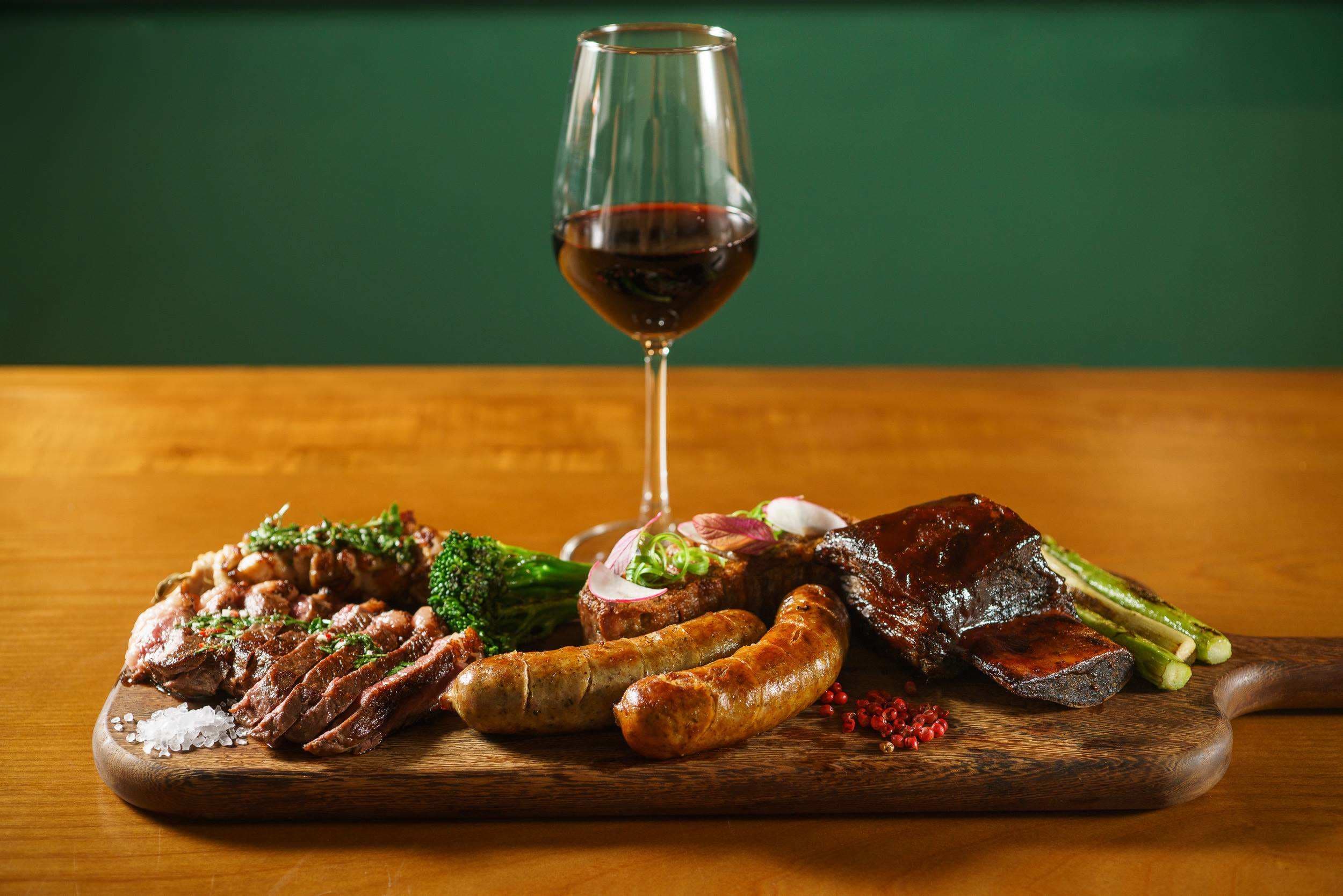
Irish cooking is often reduced to stew and potatoes. Both matter, but the larger story includes Atlantic seafood, dairy, preservation, open-fire cooking and a modern generation of chefs treating familiar recipes with precision.
A cuisine shaped by land and coast
Ireland's pantry is tied to a cool maritime climate. Potatoes, cabbage, oats and dairy belong beside oysters, mussels and cold-water fish. The cuisine is practical, but practical does not mean plain.
Good ingredients and patient cooking produce depth without unnecessary complication. That restraint remains valuable even when a dish is presented in a more contemporary form.
Why the potato still matters
The potato is not a limitation; it is a vocabulary. It can become boxty, champ, colcannon, crisp cakes, delicate espuma or a golden croquette.
For a chef, its neutral sweetness and range of textures make it an ideal bridge to Vietnamese herbs, smoke, acidity and fermented flavours.
Reinvention needs a recognizable memory
A successful reinterpretation should still evoke the original dish. Technique can change the texture and local ingredients can change the aroma, but the emotional reference needs to remain.
That balance—recognition followed by surprise—is where classic pub food becomes restaurant cooking without losing its generosity.
Frequently asked questions
What food is Ireland known for?+
Ireland is known for dishes and ingredients including soda bread, boxty, colcannon, coddle, stews, seafood, dairy, oats and potatoes.
Does modern Irish cuisine use international ingredients?+
Yes. Contemporary Irish chefs often preserve the structure or memory of classic dishes while using modern techniques and ingredients from the places where they cook.